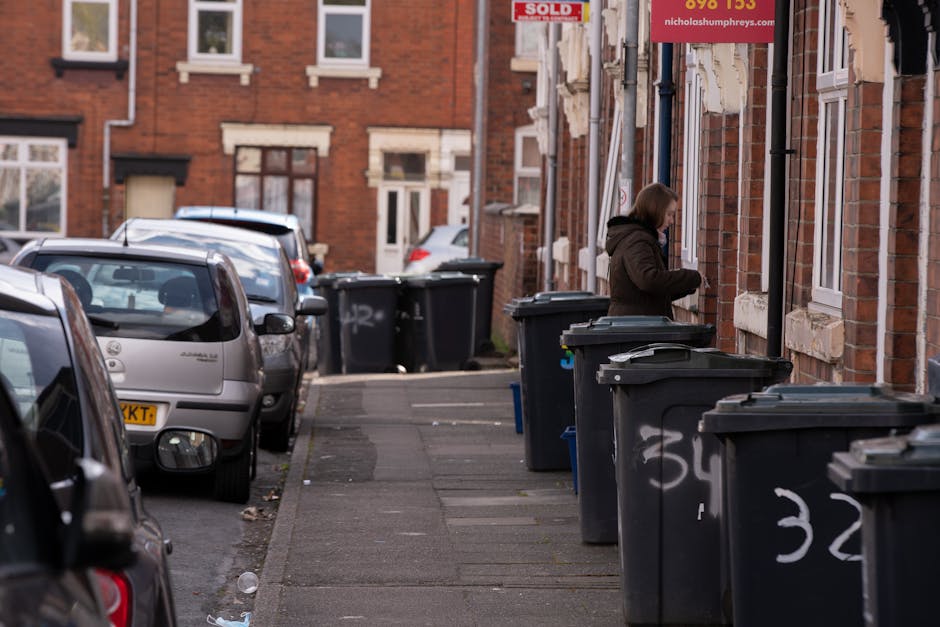
Narrow street rubbish collection problems in NW5 and fixes
Posted on 14/07/2026
If you live or work in NW5, you probably know the feeling: the bins are out, the lorry is due, and yet the street is just a bit too tight for everything to go smoothly. Narrow roads, parked cars, awkward turning points, and shared access can all turn a routine rubbish collection into a small daily headache. This guide on Narrow street rubbish collection problems in NW5 and fixes breaks down what usually goes wrong, why it matters, and the most practical ways to make collections easier, safer, and less disruptive.
Truth be told, most rubbish collection issues on narrow streets are not dramatic on their own. It is the accumulation of them that causes the mess: missed lifts, bins left in the wrong place, neighbours blocking access, bags torn open by traffic, and operators having to work around very little room. If you are managing a house, block, shop, or rental in NW5, the fixes are often simple once you know where the bottlenecks are.
This article covers the real-world causes, workable solutions, a step-by-step approach, a comparison of methods, and a practical checklist you can use straight away. The aim is not theory. It is the kind of guidance that helps on an actual Camden side street at 7.30 in the morning, when everyone is trying to get moving.

Why Narrow street rubbish collection problems in NW5 and fixes Matters
NW5 has plenty of streets where access is simply tight. Cars may be parked close to corners, pavements may be narrow, and some properties sit on roads that were never designed for modern service vehicles. That matters because waste collection is one of those services people only notice when it fails. Then it becomes very noticeable, very quickly.
A missed collection can lead to overfilled bins, bags on the pavement, smells in warm weather, pest activity, fly-tipping around containers, and complaints from neighbours or tenants. If you manage a business, the problem can also affect presentation. Nobody wants customers stepping past a row of black bags outside a shopfront. It just looks messy.
There is also a practical safety angle. Collection crews need space to manoeuvre bins, and residents need safe walking routes. On a narrow street, one badly parked van can force bins to be dragged a long way, lifted awkwardly, or left where they should not be. That creates friction for everybody. A small amount of planning goes a long way.
In our experience, the biggest issue is not that narrow streets are impossible. It is that people assume the collection system will adapt automatically. Sometimes it does. Often it does not. A better setup usually starts with small adjustments: bin placement, timing, access control, and a more realistic approach to storage.
How Narrow street rubbish collection problems in NW5 and fixes Works
Rubbish collection on a narrow street is really a chain of handoffs. Waste is stored inside a property or shared area, moved to the kerbside or approved collection point, then lifted or emptied by the collection crew. If any part of that chain is awkward, the whole process slows down.
Here is the basic pattern. Residents or staff bring out containers before the collection window. The waste has to sit somewhere that is accessible but not obstructive. The crew then needs a clear path to move safely, empty the waste, and continue along the route without reversing, turning awkwardly, or blocking traffic for too long. Easy to say. Not always easy in a tight NW5 street with double parking and a delivery van squeezed in for good measure.
Fixes usually fall into a few categories:
- Storage fixes - changing where bins are kept so they are easier to move and less likely to block the street.
- Access fixes - improving how vehicles, crews, and residents approach the collection point.
- Scheduling fixes - adjusting when bins are put out or collected, where permitted.
- Containment fixes - using better bins, lids, sacks, or enclosures to reduce spills and odours.
- Behaviour fixes - reducing parking, blocking, or late placement issues that make access harder.
The most effective solution is usually a mix of all five. One change alone can help, but narrow street issues tend to be layered. You fix one problem and another pops up two doors down. That is just how these streets behave sometimes.
Key Benefits and Practical Advantages
Getting rubbish collection right on a narrow street is not just about avoiding inconvenience. It improves day-to-day operations in ways that are easy to miss until they are working properly.
Cleaner frontage. Waste is less likely to be left out overnight or dragged across pavements. That means better presentation and fewer odours.
Fewer missed collections. If bins are placed where crews can reach them, collections are more reliable. That sounds obvious, but it saves a surprising amount of trouble.
Lower complaint risk. Neighbours, tenants, and customers are less likely to complain when the street stays clear and organised.
Better safety. Less awkward lifting, fewer blocked pavements, and fewer trip hazards for pedestrians.
More efficient waste handling. Staff do not waste time dragging bins over long distances or rearranging them every collection day.
Less stress. And yes, that counts. If you have ever stood on a freezing morning wondering whether the bins will be collected before work starts, you know the value of a system that just works.
Expert summary: On narrow NW5 streets, the best rubbish collection fix is rarely a single dramatic change. It is usually a neat combination of better bin storage, clearer access, realistic collection timing, and a collection point that works for both the crew and the street.
Who This Is For and When It Makes Sense
This guidance is useful if you are responsible for waste in any of the following situations:
- Flat conversions with shared bins
- Small apartment blocks on tight residential roads
- Shops, cafes, and takeaways with limited rear access
- Landlords and managing agents handling tenant waste
- Offices or studios with mixed household and commercial waste
- Properties with no driveway or front forecourt
- Buildings where the bin store is awkwardly placed
It also makes sense if you are dealing with recurring, low-grade issues rather than one big failure. For example, maybe collections happen most weeks, but one bin is always left behind. Or the crew can collect, but only if cars are moved and bags are not overfilled. Those are the moments where a better system pays off.
To be fair, if your street has excellent access already, you may only need a couple of minor tweaks. But if the road is narrow, busy, and lined with parked cars, you will usually benefit from a more structured plan.
Step-by-Step Guidance
If you are trying to solve narrow street collection problems in NW5, start with the basics and work outward. Do not jump straight to expensive equipment or big assumptions. A lot of the time, the issue is visible from the pavement.
- Map the actual collection route. Watch how bins move from storage to street. Note where they snag, where staff have to squeeze past cars, and where visibility is poor.
- Check the bin storage point. Is it too far from the road? Is the access gate too narrow? Is there a step, lip, or awkward turn that makes movement harder?
- Look at parking patterns. Are residents, visitors, or contractors blocking the collection point? Do cars regularly sit near corners or tight bends?
- Review collection timing. If bins are put out too early, they can block the pavement. Too late, and they miss the round. There is a sweet spot, and it is worth finding.
- Separate waste streams clearly. Mixed bins, recycling containers, and food waste should be easy to identify. Confusion creates delays.
- Improve containment. Use lids that close properly, sturdier sacks, and bins that are not cracked or overfull. Spills are a nightmare on narrow pavements.
- Reduce dragging distance. If possible, move storage closer to the street or redesign the route so bins do not have to travel far.
- Test one change at a time. After each adjustment, see whether the street is easier to manage. Small changes are easier to maintain.
A practical example: if a block of flats on a narrow NW5 side street keeps missing recycling collection because the bins are hidden behind parked cars, the fix may not be a new contractor at all. It may simply be moving the bin store to a point with cleaner access, plus a reminder that bins need to be out after the last parked vehicle moves. Simple. Not always glamorous, but simple.
Expert Tips for Better Results
Here are the kinds of details that make a real difference on tight London streets.
Use the street layout, not against it
If the road narrows near a bend, do not place bins there. Put them on the widest, most visible section with enough room for crew movement. A collection point should be boring. Boring is good.
Think about the weather
On damp days, bags can split more easily and surfaces become slippery. On hot days, smells and leakage become more noticeable. If you have a choice, use tighter lids, better liners, and quicker turnaround times.
Match container size to actual output
Overfilled bins are one of the most common reasons for trouble. If the waste volume regularly exceeds the container capacity, the fix may be better sorting, additional capacity, or more frequent collections. A bin that is always stuffed full is basically asking for trouble.
Make the route obvious
Collection crews work faster when the path is predictable. Clear a route, avoid random obstacles, and keep the area consistent from week to week. A tiny change in the route can save time every collection day.
Communicate with residents or staff early
A quiet reminder can prevent most issues. People are far more likely to move a car or hold back a bag if they know why it matters. Most are decent about it once it is explained plainly.
Use short written instructions
If the building has shared waste handling, leave a short note in the bin store or management pack. Keep it practical: what goes where, when bins go out, and what to do if access is blocked.
Do a quick post-collection check
One minute after the lorry leaves can save a lot of grief later. Did a bin get left behind? Did bags spill? Is there a blocked pavement? Catching it early makes the next round easier.

Common Mistakes to Avoid
Some waste problems in NW5 keep happening because the same mistakes get repeated. The patterns are familiar.
- Leaving bins too far from the kerb. Crews may not be able to reach them safely or quickly.
- Overfilling containers. Lids do not close, bags spill, and collection becomes messy.
- Assuming drivers can always manoeuvre. Narrow streets can change by the hour depending on parking and deliveries.
- Putting bins out too early. They may obstruct pedestrians or attract fly-tipping.
- Ignoring storage capacity. If waste builds up between collections, the issue will keep returning.
- Using damaged containers. Cracked wheels, broken lids, or missing handles make movement harder than it should be.
- Not communicating access changes. Roadworks, scaffolding, temporary parking, and events can all interfere with a collection day.
One slightly annoying truth: a lot of waste issues are not really waste issues. They are access issues wearing a waste badge. Once you see that, the fix becomes clearer.
Tools, Resources and Recommendations
You do not need a huge toolkit to improve rubbish collection on a narrow street, but a few practical items help a lot.
| Tool or resource | What it helps with | When it is useful |
|---|---|---|
| Wheelie bins with working lids | Containment, movement, cleaner storage | For most residential and mixed-use properties |
| Heavy-duty sacks or liners | Reducing spill risk and odour leakage | Where loose waste or food waste is a problem |
| Bin store labels | Sorting and correct placement | Shared buildings and multi-occupancy sites |
| Simple access instructions | Consistency for residents and staff | Any property with shared waste handling |
| Reflective or visible marking | Making collection points easier to find | Narrow streets with low light or cluttered frontage |
| Periodic route review | Spotting recurring obstructions | For sites with repeated missed or delayed collections |
If you manage multiple properties, a short monthly review is often enough. Walk the route, check the containers, and look at the street with fresh eyes. You would be surprised how much easier it is to spot the problem when you are not rushing past it.
It can also help to keep a simple note of collection issues: date, time, what blocked access, and what the outcome was. Nothing fancy. Just enough to identify patterns and avoid repeating the same mistake three weeks in a row.
Law, Compliance, Standards, and Best Practice
Waste handling in the UK should always be approached carefully and in line with local expectations, lease obligations, property management rules, and the practical requirements of the collection service. The exact rules can vary depending on the property type, the waste stream, and the local arrangement, so it is best not to guess.
For landlords, managing agents, and business owners, the safest approach is to make waste storage, presentation, and collection access as clear and consistent as possible. That reduces the risk of nuisance, missed collections, and disputes with neighbours or contractors. It also helps demonstrate that you have taken reasonable steps to manage the waste properly.
Best practice usually includes:
- Keeping waste contained and not left out for longer than necessary
- Ensuring bins are not blocking pavements or access routes
- Making sure staff or residents know the correct collection routine
- Planning for temporary disruptions such as works, scaffolding, or road changes
- Using safe manual handling habits when moving bins or sacks
If a property has repeated access problems, it is sensible to document the issue and the actions taken. That helps show you are managing the matter responsibly. If there is any doubt about a local arrangement, the relevant collection provider or property manager should be checked directly, because assumptions are where people get caught out.
Options, Methods, and Comparison Table
Different streets need different fixes. What works on a quiet terrace may not work on a busier mixed-use road. Here is a simple comparison to help you think through the options.
| Method | Best for | Pros | Limitations |
|---|---|---|---|
| Move bins closer to the street | Sites with long internal carry distance | Easier collection, less dragging | May need a reworked storage layout |
| Improve access control | Properties with parked-car blockage | Reduces missed collections | Needs resident or staff cooperation |
| Change collection timing | Streets with peak-hour congestion | Less conflict with traffic or deliveries | Not always possible for every provider |
| Upgrade bins or lids | Overflow or spill issues | Cleaner, safer, easier to manage | Does not solve access on its own |
| Add clearer instructions | Shared buildings or rental blocks | Low cost, quick to implement | Only works if people actually read them |
The right choice depends on what is failing. If the bin is fine but the street is blocked, the answer is access. If access is fine but waste is overflowing, the answer is capacity or sorting. If both are failing, then yes, you may need a combined fix. That happens more than people think.
Case Study or Real-World Example
Consider a small residential block on a narrow NW5 road with shared bins kept in a rear yard. The collection crew could access the street, but the bins had to be dragged through a tight side passage and around a parked vehicle each week. Some weeks the bins were ready. Some weeks they were not. Bags were occasionally left in the yard because there was no room in the container. Annoying, messy, and familiar.
The fix was not dramatic. The managing agent changed the bin storage layout, marked the collection route, and asked residents to avoid parking directly in front of the access point on collection mornings. They also swapped out one damaged bin that had a broken wheel, which made more difference than anyone expected. Funny how the small things do that.
Within a few weeks, the collection process became steadier. Crews spent less time manoeuvring, waste stayed more contained, and the front of the property stopped looking like it was permanently halfway through moving day. The important part was not perfection. It was consistency.
That is the lesson for narrow street rubbish collection problems in NW5 and fixes: the best solution is usually the one that removes friction without creating another headache somewhere else.
Practical Checklist
Use this checklist before the next collection day or whenever recurring problems start showing up again.
- Bins are in good condition, with working lids and wheels
- The collection route is clear of parked cars, bins, and loose obstacles
- Waste is not being overfilled beyond the container capacity
- Residents, tenants, or staff know when bins need to be put out
- The storage area is close enough to the street to avoid long dragging
- Food waste and general rubbish are separated correctly where required
- No temporary works, scaffolding, or deliveries are blocking access
- Collection instructions are visible and up to date
- Any recurring issue has been logged and reviewed
- There is a backup plan for missed or delayed collections
If you can tick most of those off, you are already ahead of many sites. If you cannot, that is fine too. At least now you know where the weak spots are.
Get a free quote today and see how much you can save.
Conclusion
Narrow streets do not have to mean chaotic waste handling. In NW5, the most effective fixes usually come down to sensible access planning, better bin placement, clearer communication, and a little less optimism about what a tight road can realistically handle. Once you stop expecting the street to behave like a wide service yard, the solutions become much clearer.
Whether you are a landlord, manager, resident, or business owner, the goal is the same: keep waste contained, make collections predictable, and reduce the small daily frictions that build into bigger problems. It really is often the smallest adjustment that makes the morning run smoother.
And if you are staring at a cramped bin store thinking, "Right, where do we even begin?" start with the route. The route tells the truth.