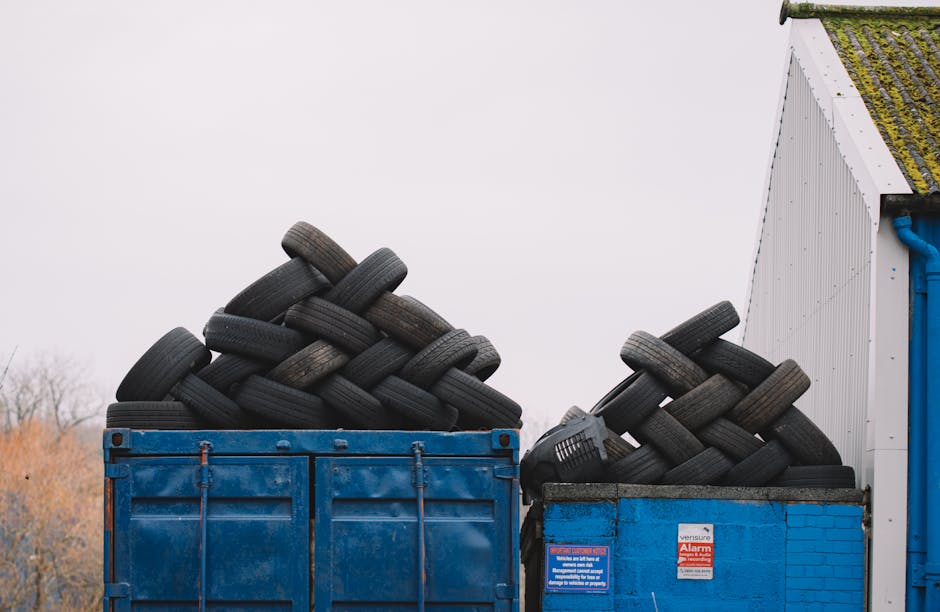
Rubbish clearance near Kentish Town station
Posted on 04/06/2026
Rubbish clearance near Kentish Town station: a practical local guide
If you are dealing with unwanted rubbish near Kentish Town station, you are probably after one thing: a quick, sensible way to get the mess gone without turning your day upside down. Maybe it is a flat clearance after a move, an office tidy-up, a sofa that will not fit through the door, or just the usual build-up of bulky junk that seems to appear out of nowhere. Whatever the reason, rubbish clearance near Kentish Town station needs to be fast, tidy, and handled with care.
The local area brings its own little complications. Narrow streets, shared entrances, busy footfall around the station, limited parking, and the simple fact that a missed collection can leave bags sitting there until dusk. To be fair, that is where a proper clearance service earns its keep. In this guide, we will look at how rubbish clearance works, what to expect, what to avoid, and how to choose the most practical option for your situation.
And yes, we will keep it grounded. No fluff. Just useful detail you can actually use.
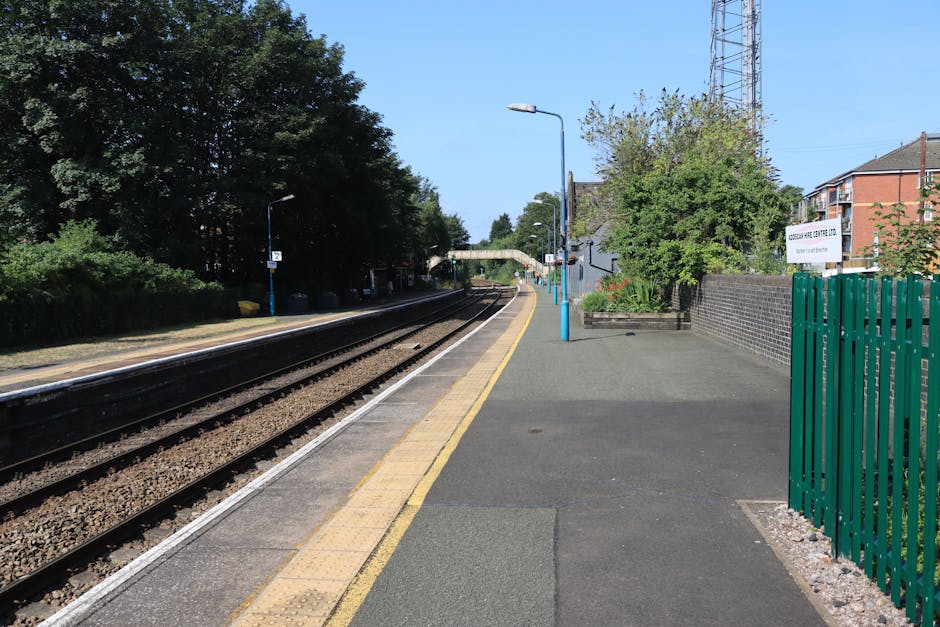
Why Rubbish clearance near Kentish Town station Matters
Rubbish clearance is one of those jobs that looks simple from the outside. A few bags here, a broken wardrobe there, maybe some old flooring or packaging. Then suddenly the pile is bigger than expected, heavier than expected, and awkward in every possible way. Near Kentish Town station, those issues are magnified because the area is busy, residential and commercial, and often short on easy loading space.
That matters for a few reasons. First, rubbish left out too long can become a nuisance for neighbours, passers-by, and building managers. Second, badly handled waste can create safety risks: trip hazards, blocked access, sharp edges, or items that get damp and unpleasant fast. Third, if you are trying to keep a property ready for sale, rent, refurbishment, or handover, visible rubbish makes everything feel more chaotic than it needs to be.
Local clearance also matters because timing counts. Around a station area, you may have to work around commuters, delivery windows, building access rules, and parking restrictions. A clearance that is planned properly can save you multiple trips, wasted effort, and the classic last-minute scramble with a hired van that is too small. Nobody wants that. Not at 7am, not ever.
There is also a reputation element. If you are a landlord, shop owner, facilities manager, or letting agent, how a clearance is handled reflects on you. A neat, efficient removal job looks professional. A messy one lingers in people's minds.
Practical takeaway: near Kentish Town station, rubbish clearance is not just about removing waste. It is about keeping access clear, reducing disruption, and making the space usable again without drama.
How Rubbish clearance near Kentish Town station Works
Most proper rubbish clearance services follow a fairly simple process, although the details can vary depending on the load, the access, and how much needs moving. The best jobs are the boring ones, frankly: clear quote, clear arrival window, clean removal, no mess left behind.
1. You describe what needs removing
This might be a few black bags, furniture, builders' waste, white goods, garden cuttings, or a mixed load from a flat or office. A good provider will want a rough idea of quantity, item type, floor level, access, and whether there are any heavy or hazardous items. If you can share photos, even better. It saves time and avoids surprises.
2. The team estimates the load and access needs
Waste removal is usually priced by volume, type of waste, labour, and sometimes access difficulty. A ground-floor job with easy parking is very different from carrying items down four flights of stairs in a building with no lift. Small detail? Not really. It can change the whole job.
3. Collection is scheduled around your availability
For areas near Kentish Town station, timing often matters as much as the job itself. Early morning can be useful if you need the place clear before tenants arrive. Midday may work better if the building is quieter. A local team should be able to work around realistic access windows rather than forcing a one-size-fits-all slot.
4. Items are removed safely and sorted
Good rubbish clearance is not just "throw everything in a truck". Items should be sorted into reusable, recyclable, and general waste streams where possible. That includes separating electricals, metal, wood, cardboard, and bulky household items where the load allows. If you need a broader overview of disposal types, our waste collection service explains how different materials are handled.
5. The space is left tidy
A decent team will sweep up or at least remove loose debris from the clearance area. It sounds basic, but that final tidy-up is often what separates a professional service from a rushed one. Dust, splinters, broken packaging, and stray screws have a habit of sticking around long after the big items are gone. Annoying, but true.
If you are comparing a few providers, ask whether they can handle mixed waste, whether loading is included, and whether they remove items from inside the property or only from the kerbside. That one question can save a lot of confusion.
Key Benefits and Practical Advantages
People usually look for rubbish clearance for one obvious reason: the rubbish needs to go. Fair enough. But the real value is bigger than that. Done well, it saves time, reduces stress, and keeps a property or business moving.
Less disruption, faster turnaround
When waste is removed in one visit, you can get straight back to what matters. That might mean decorating, photographing a flat for listing, reopening a shop, or simply reclaiming the spare room. Around a station area, where life moves quickly anyway, the speed of clearance can make a real difference.
Safer access and cleaner surroundings
Rubbish tends to sprawl. Bags move. Cardboard collapses. Broken furniture catches on door frames. Removing it promptly cuts down the risk of trips, blocked paths, and awkward manoeuvres through shared hallways. It also makes a property look cared for, which matters more than people sometimes admit.
Better use of local space
In London, space is precious. A pile of old waste can swallow a whole storage corner, block a basement passage, or fill the only decent loading area. Clearing that out gives you breathing room. Literally.
More predictable than DIY removal
Trying to do it yourself can feel cheaper at first, but the hidden costs add up quickly: van hire, fuel, parking, lifting help, disposal fees, time off work, and the inevitable second trip because the first one was not big enough. If you have ever tried to wedge a broken wardrobe into a borrowed car, you already know the pain.
Support for one-off and recurring needs
Some people need a one-off clearance after a move or renovation. Others need regular support for rental turnovers, commercial bins overflow, or ongoing premises maintenance. For repeat jobs, a local service can become part of your routine rather than a stressful emergency. If your needs are ongoing, our office clearance and house clearance pages are useful starting points.
Who This Is For and When It Makes Sense
Rubbish clearance near Kentish Town station suits a surprisingly wide range of people. If your first thought is "probably not me", you may be wrong. The need often appears in ordinary situations rather than big dramatic ones.
Homeowners and tenants
If you are moving out, moving in, decluttering, or clearing after renovations, rubbish can build up fast. Old mattresses, packaging, broken cupboards, carpets, and general household clutter all need a plan. Tenants in particular often need fast, reliable removal before checkout, and landlords do not love last-minute surprises. Really, who does?
Landlords and letting agents
Void periods, end-of-tenancy clearances, and abandonment situations often involve mixed waste and a need for quick turnaround. A clean, empty property photographs better and is easier to prepare for the next occupant.
Local businesses
Shops, cafes, small offices, workshops, and hospitality venues all generate bulky waste from time to time. Packaging, shelving, old stock, and broken fixtures can pile up in the back room before anyone notices. Then it is suddenly a proper job, not a small tidy-up.
Builders and refurb teams
Light construction waste, strip-out debris, bathroom rip-out waste, and mixed refurbishment leftovers often need removal between stages of a project. If you are coordinating works, the ability to clear waste quickly can help keep trades moving on schedule.
Residents with limited access or no vehicle
This is a big one near the station. If you live upstairs, in a terrace, or on a street with tight parking, self-loading waste into a car or small van can be a nuisance at best and impossible at worst. A crew that does the lifting for you is not a luxury in that case; it is the practical choice.
It makes sense when the job is too large, too heavy, too awkward, or too time-sensitive to handle alone. Simple enough.
Step-by-Step Guidance
If you want the process to go smoothly, a little preparation helps. Not much. Just enough to avoid the usual friction points.
- Identify the waste type. Separate household rubbish, furniture, electrical items, garden waste, and building debris if you can. Mixed loads are fine, but knowing what you have makes quoting easier.
- Take quick photos. Wide shots of the pile and close-ups of awkward items are often enough. If there are stairs, tight hallways, or a basement, include those too.
- Check access and timing. Note whether there is a lift, whether parking is restricted, and whether there are quiet hours in the building. Near Kentish Town station, access is often the deciding factor.
- Ask how disposal is handled. Waste should be taken to the appropriate disposal or recycling route. If you have mixed materials, ask what can be separated.
- Confirm what is included. Does the price include labour, loading, sweep-up, and disposal fees? Are there extra charges for difficult access or certain item types?
- Prepare the area. If safe, put all items in one spot. Clear walkways. Remove anything you want to keep. The less confusion, the better.
- Be available for final checks. Someone should be on hand to confirm what goes and what stays. That small step avoids accidental removal of something important. Happens more than you'd think.
A useful habit is to walk the route from the waste area to the exit before collection day. Look for tight corners, fragile items on shelves, or anything that might snag. It sounds obvious once you say it, but in the middle of a busy day people forget.
Expert Tips for Better Results
Here is where a little local know-how helps. The difference between a smooth clearance and an awkward one is often in the planning, not the lifting.
Measure awkward items before you book
If you have wardrobes, mattresses, desks, or large appliances, rough dimensions help. A tall unit that can be dismantled is a very different job from a single solid object that must be carried whole. Mentioning this early can save time on-site.
Group waste by type where possible
Not every job needs perfect sorting, but separating obvious categories can make disposal more efficient. Cardboard, soft furnishings, metal, wood, and electricals are easier to assess when they are not hidden inside one giant pile.
Think about neighbours and shared access
In flats and mixed-use buildings, the social side matters too. Try not to block hallways, and if your building has quieter hours, respect them. A professional team should work carefully, but a little preparation from your side helps the whole process feel smoother.
Keep an eye on hazardous items
Paints, solvents, batteries, gas bottles, and some construction residues may need special handling. Do not just bury them in a mixed waste pile and hope for the best. If anything looks questionable, flag it in advance.
Use photos to avoid back-and-forth
Photos are one of the easiest ways to get a more accurate estimate. Try to include one shot from the doorway and another of the full load. In our experience, one well-lit photo can answer half the questions before they are even asked.
Ask about recycling priorities
Waste services vary, but responsible providers aim to divert as much as practical from landfill. You do not need a lecture on the entire waste industry, just a straight answer about how the load will be processed.
If you are also dealing with a wider property clear-out, it may help to read our property clearance guide and our preparation checklist. A small bit of planning saves a lot of running around.
Common Mistakes to Avoid
Most clearance problems are not dramatic. They are just annoying, avoidable, and oddly expensive if you get them wrong.
Underestimating how much there is
A "few bits" can turn into a full van very quickly. That old chest of drawers, the broken chair, the mattress, the bags in the corner, the paint tins, the bits in the shed... all add up. If you are not sure, size it generously.
Forgetting access restrictions
Parking, loading bays, building entry codes, concierge hours, and lift bookings matter. If access is tight near the station, even a small delay can throw the whole job off.
Mixing in items that need special handling
Some waste streams require different treatment. If you slip hazardous items into a standard load without mentioning them, that can cause delays or rejected collection. Nobody wants to find that out at the kerb.
Assuming every service includes the same things
One quote may include labour, disposal, and sweep-up. Another may only cover collection. Comparing prices without checking the details can be misleading. Cheap is not always cheap, not once the extras appear.
Leaving sorting until collection day
Last-minute sorting often causes stress and mistakes. You may end up keeping the wrong item, throwing away something useful, or slowing down the crew while you decide what stays.
Not checking credentials or insurance
For waste collection, it is sensible to use a properly run service with the right insurances and disposal arrangements. If a provider cannot answer simple questions clearly, that is a warning sign.
Tools, Resources and Recommendations
You do not need a van-load of equipment to prepare for clearance, but a few basic tools make life easier.
- Sturdy bags or boxes for sorting smaller items.
- Marker pens and tape to label keep/don't keep piles.
- Gloves for handling dusty or sharp items.
- Basic measuring tape for bulky furniture and access checks.
- Phone camera for quotes and before/after photos.
- Step stool or small trolley if you are safely moving lighter items inside the property.
For bigger jobs, a simple written list helps more than you might expect. Write down what is going, what is staying, and any access notes. A tiny bit old-school, but it works.
It is also worth keeping your support pages handy if you manage multiple property types. Our garden clearance page is helpful for outdoor waste, while builders waste removal covers heavier renovation debris. That way, you are not guessing which service fits which job.
Law, Compliance, Standards, or Best Practice
Waste removal in the UK is one of those areas where common sense and proper practice go hand in hand. You do not need to become an expert overnight, but you do want to use a service that handles waste responsibly and in line with accepted practice.
As a customer, the main thing is to make sure your waste is passed to a legitimate operator and not dumped somewhere it should never be. If you are hiring someone, it is sensible to ask how they deal with disposal and whether they have the appropriate paperwork or processes for the work they carry out. That is not being fussy; it is basic due diligence.
Some items need extra care. Electrical items, certain chemicals, and waste that could be classed as hazardous may not be suitable for a standard mixed-load removal. If you are not sure what an item is, describe it honestly and let the provider advise you. Better safe than guessing.
Buildings near Kentish Town station may also have local rules on access, loading, timing, and waste storage. If you are in a managed block, check with the building manager before collection day. A five-minute conversation can save a lot of hassle.
Best practice is straightforward: be clear about what needs removing, keep access safe, use a reputable service, and avoid leaving loose waste in shared spaces. Simple, but not always followed.
Options, Methods, or Comparison Table
There are a few ways to deal with rubbish near Kentish Town station. Each has a place, depending on the volume, urgency, and type of waste.
| Method | Best for | Pros | Cons |
|---|---|---|---|
| DIY removal | Very small loads, personal time available | Can seem cheaper upfront, full control | Labour, parking, lifting, disposal hassle, multiple trips |
| Skip hire | Large projects, ongoing renovation waste | Useful for repeat loading, stays on site | Needs space, permits may apply, waste must be loaded by you |
| Man and van clearance | Mixed waste, bulky items, quick turnaround | Fast, labour included, good for awkward access | Pricing varies by load and access, needs good communication |
| Specialist clearance service | Complex loads, heavier items, multi-room clear-outs | More structured, better for larger or more sensitive jobs | May cost more than the simplest options |
For many local jobs, a man-and-van style clearance is the sweet spot. It is flexible enough for awkward access and quick enough for busy schedules. Skip hire can still be a smart choice for ongoing building works, but in a place with tight streets and limited parking, it is not always the easiest fit.
Choosing the right method is really about matching the waste to the route out of the building. That is the whole game, in a way.
Case Study or Real-World Example
A typical local scenario goes like this. A couple in a second-floor flat near Kentish Town station is preparing to move out. They have a mattress, a dismantled wardrobe, several black bags, broken kitchen shelving, and a stack of cardboard from new furniture. The hallway is narrow, there is a short time window before work, and street parking is tight.
If they try to do it themselves, they will likely need a van, a second set of hands, and at least one awkward trip back downstairs because the first load was too optimistic. The better option is to group the items, take clear photos, and book a local clearance team that can handle both lifting and disposal. The crew arrives early, carries everything out carefully, checks for anything that should stay, and leaves the floor swept. Quiet job, no drama.
That is the kind of clearance people remember for the right reasons. Not because it was exciting. Because it simply worked.
Here is another everyday example. A small shop near the station has packaging, broken display fittings, and some old stock taking over the stockroom. A same-week clearance keeps the back area usable and stops the clutter from creeping into the customer-facing side. The difference is immediate. Less clutter, easier stock handling, calmer staff. You can almost feel the room breathe again.
Practical Checklist
Use this before booking rubbish clearance near Kentish Town station:
- List everything that needs removing.
- Take a few clear photos from different angles.
- Measure large or awkward items.
- Check stairs, lift access, parking, and building rules.
- Separate anything you want to keep before the team arrives.
- Flag electricals, batteries, paints, or anything unusual.
- Ask whether labour, loading, and disposal are included.
- Confirm the collection time and any access instructions.
- Make sure shared walkways stay clear.
- Have a final walk-through ready so nothing important is taken by mistake.
If you can tick most of those boxes, the job usually goes much more smoothly. Not perfect. Just much smoother.
Conclusion
Rubbish clearance near Kentish Town station is really about making a practical problem disappear without creating a second one. The best services are the ones that respect access, handle waste properly, and keep the process simple for you. Whether you are clearing a flat, a business unit, a renovation site, or a one-off bulky load, the basics remain the same: plan a little, ask the right questions, and choose a service that fits the space you actually have.
When you get it right, the result is immediate. More space, less stress, and a property that feels usable again. And honestly, that clean, cleared feeling is hard to beat.
If you are ready to sort the mess properly and move on with your day, choose a local team that understands the area, the access issues, and the value of doing the job neatly the first time.
Get a free quote today and see how much you can save.